
There is a certain kind of individual who understands that some things do not lose their appeal with time, but rather refine. These are not objects protected from life. They are objects that have absorbed it—lived with intentionally, consistently, and without compromise—carrying something of us with them as they become more distinct over time.
At a certain level, discernment is not about keeping things untouched. It is recognising what reveals more of itself as the years pass. What deepens and becomes unmistakably its own.
The things that endure in this manner are not just well made. They become more valuable, more personal, and impossible to replicate.
Horween shell cordovan
Shell cordovan does not crease. It is a very particular leather, cut from the dense shell beneath the rump of a horsehide and tanned slowly at the Horween Leather Company in Chicago. The process takes months and has remained largely unchanged for over a century. Each shell is curried, shaved, dyed, and glazed by skilled hands, building up the depth and finish that define it. The result is a dense, non-porous surface that develops a mirror burnish at the toe after a year or two of consistent wear. The reddish or cognac undertones deepen, and the surface begins to take on a quiet glow, what makers refer to as bloom. A new pair is handsome. A pair worn two seasons by someone who knows what they have is an entirely different object: singular, unarguable, unrepeatable. All Horween leathers are known for their extreme longevity, that wears in over time, creating beautifully unique patinas.
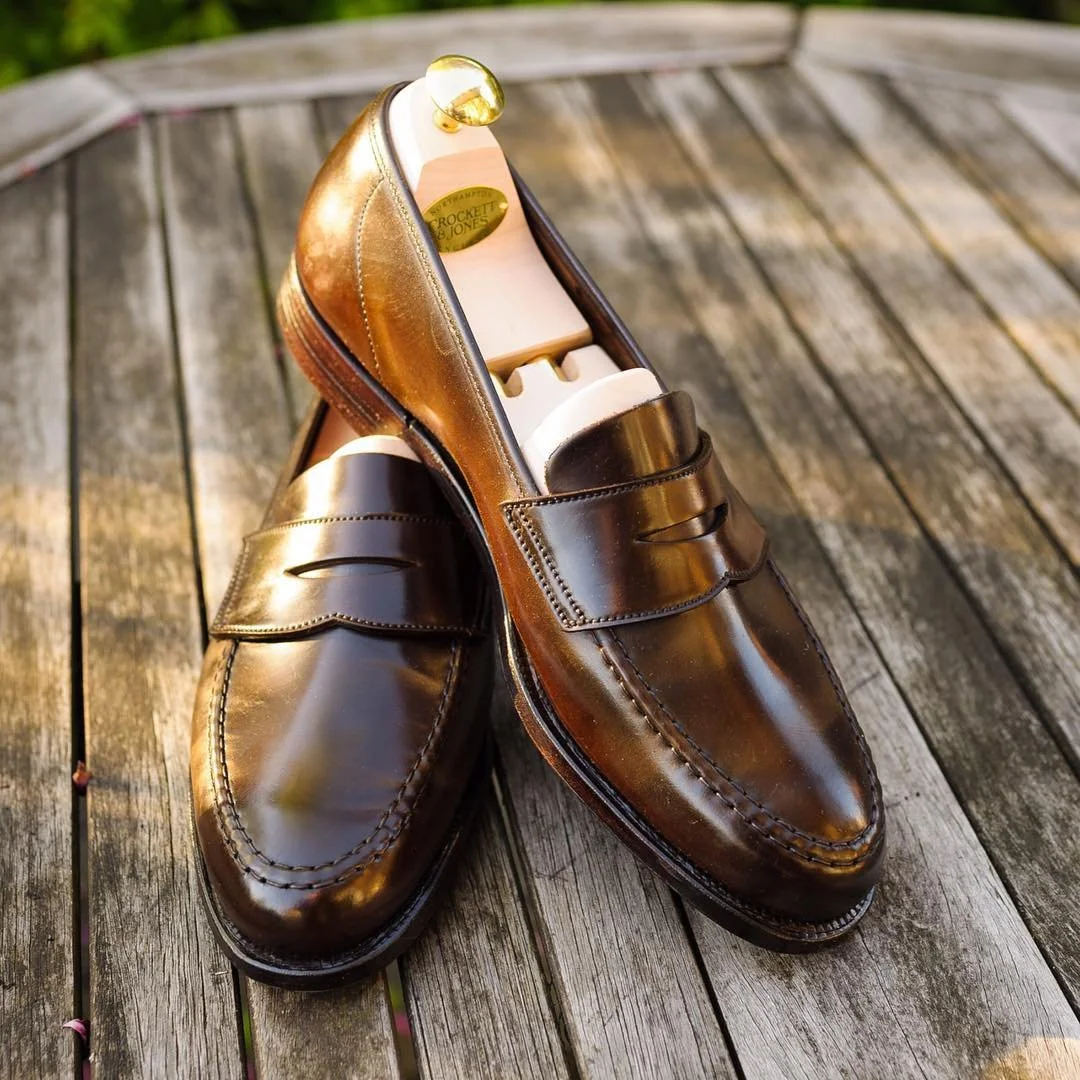
CROCKETT & JONES HARVARD LOAFERS IN DARK BROWN SHELL CORDOVAN
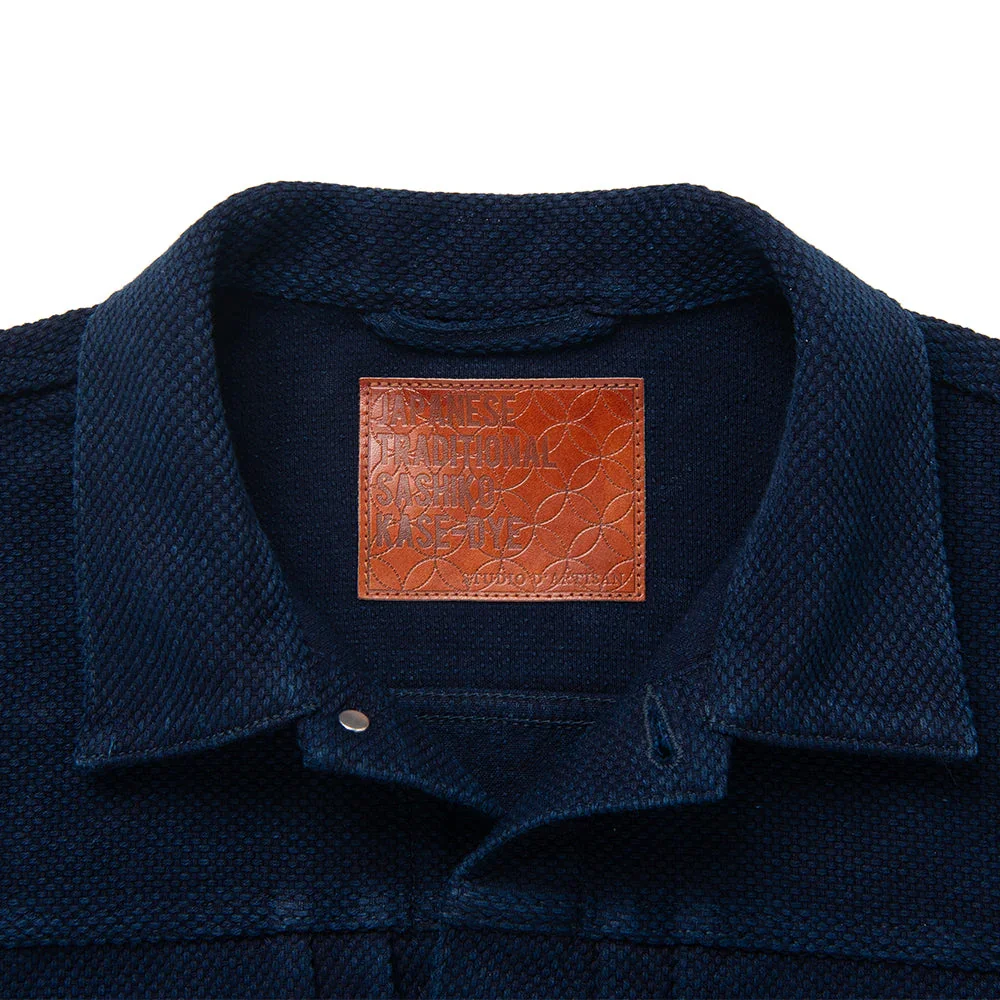
STUDIO D’ARTISAN SELVEDGE SASHIKO JACKET
Sashiko-stitched indigo selvedge denim
Sashiko, the Japanese term for “little stabs”, refers to an intricate method of hand embroidery traditionally used to repair and strengthen work garments. Japanese selvedge denim fades in direct response to the body wearing it: at the thigh, behind the knee, along the wallet pocket, across the lap. No two pairs fade alike. The dense geometric running-stitch quilting, native to Tohoku in northern Japan, holds its structure as the surrounding cloth softens, so the contrast between stitch and ground grows more pronounced over years. Mills like Kojima, Okayama, or Kapital produce denim deliberately woven to this end. A pair worn for eighteen months is proof of something.
A well-read, annotated library
A first-edition spine that has been cracked, margins pencilled, page corners folded at the passages that mattered: that is not at all a ruined book, but one used as intended. The collector's copy, sealed in a clamshell, belongs to the archive. The annotated copy, slightly bowed from being held open, tells you something about the person who owned it. A library of untouched books is décor. A library of read ones is a mind made visible. Chinua Achebe's own copy of his manuscripts, reportedly filled with second thoughts in the margins, would be worth more than any mint first edition. The thinking is always worth more than the object.

ZANNA WESTGATE
Honed limestone and antique terrazzo floors
You do not polish limestone to a high gloss and leave it. You allow the stone to receive the years. The entrance halls of old Italian palazzi. The reception rooms of Lagos families who built before independence, where terrazzo was poured by hand and set with chips of local marble. The threshold of a grand hotel, worn slightly concave by generations of arrivals. That depression is not damage. It is a record of occupation, of hospitality, of use at scale. A brand-new limestone floor announces itself. An old one, cared for and never over-polished, speaks to lineage.
A vintage mechanical watch, lightly worn
Not a beater. Not a neglected piece with a clouded crystal or a running dial. A watch worn daily by someone who valued it: case edges softened slightly by the natural abrasion of a cuff, bracelet links carrying a faint satin on the outer surface, the caseback carrying the faint impression of a watchmaker's tool. That is a watch that tells two stories: the maker's and the owner’s. A Patek Philippe 5196 in white gold, worn for two decades, develops a warmth in the bezel that no boutique polish can replicate. A Rolex 1601 Datejust with a gilt dial ages into what collectors call "tropical", becoming not only more valuable, but more beautiful, worn than new.
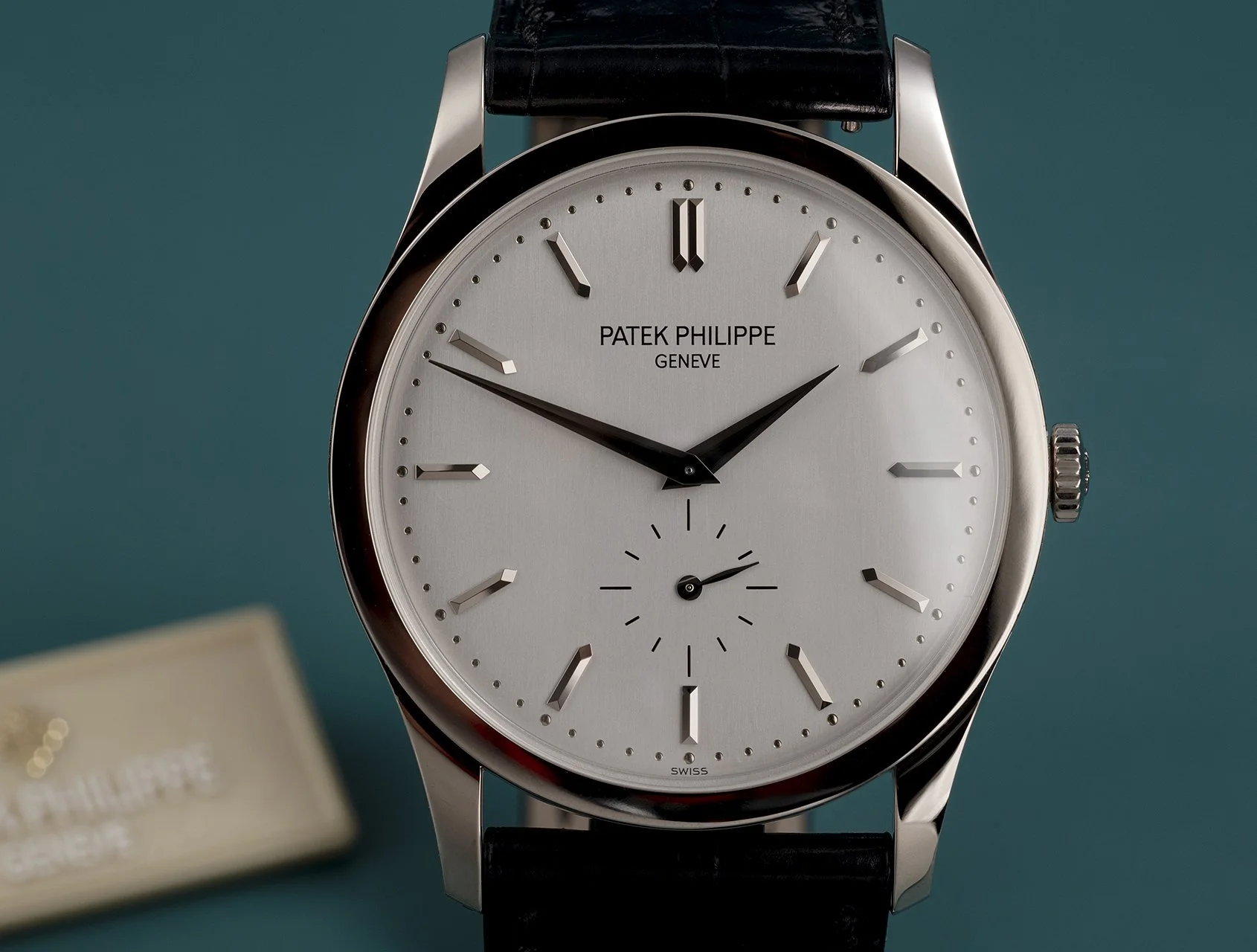
WATCH CLUB, PATEK PHILIPPE CALATRAVA 5196G
A canvas-and-leather holdall, properly broken in
Waxed canvas darkens precisely where it is handled. The leather handles take on the oils of its owner, softening in ways that are specific. A proper holdall — from Swaine Adeney Brigg, Globe-Trotter, or a well-made piece from a Lagos or Accra atelier working in full-grain hide — earns its authority over years of airports, guest houses, early departures, and long drives. A bag that still looks new after a decade has likely not been used as intended. One that looks like it has been somewhere is the one worth carrying.
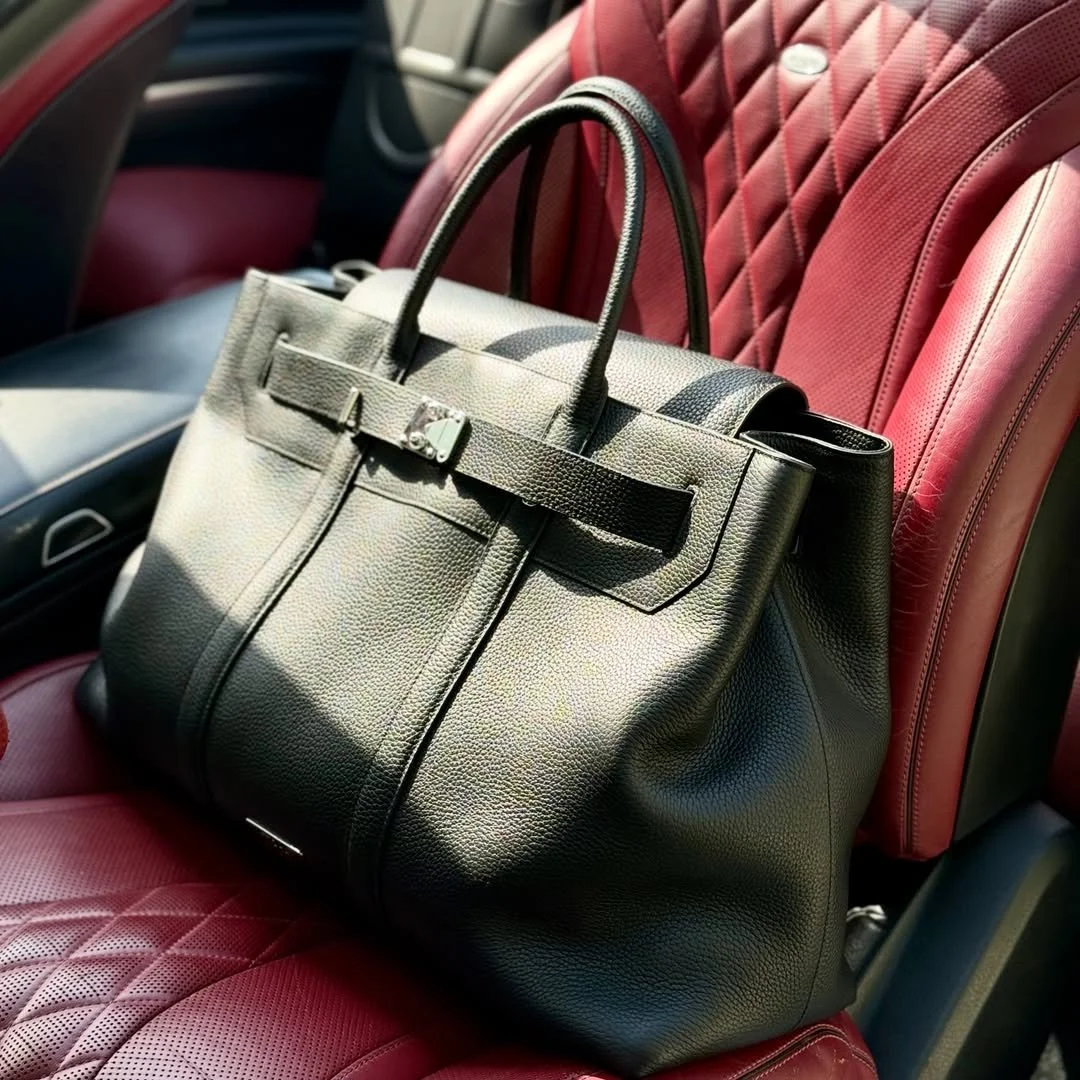
T.T DALK HOLDALL BAG IN BLACK
ELSA YOUNG
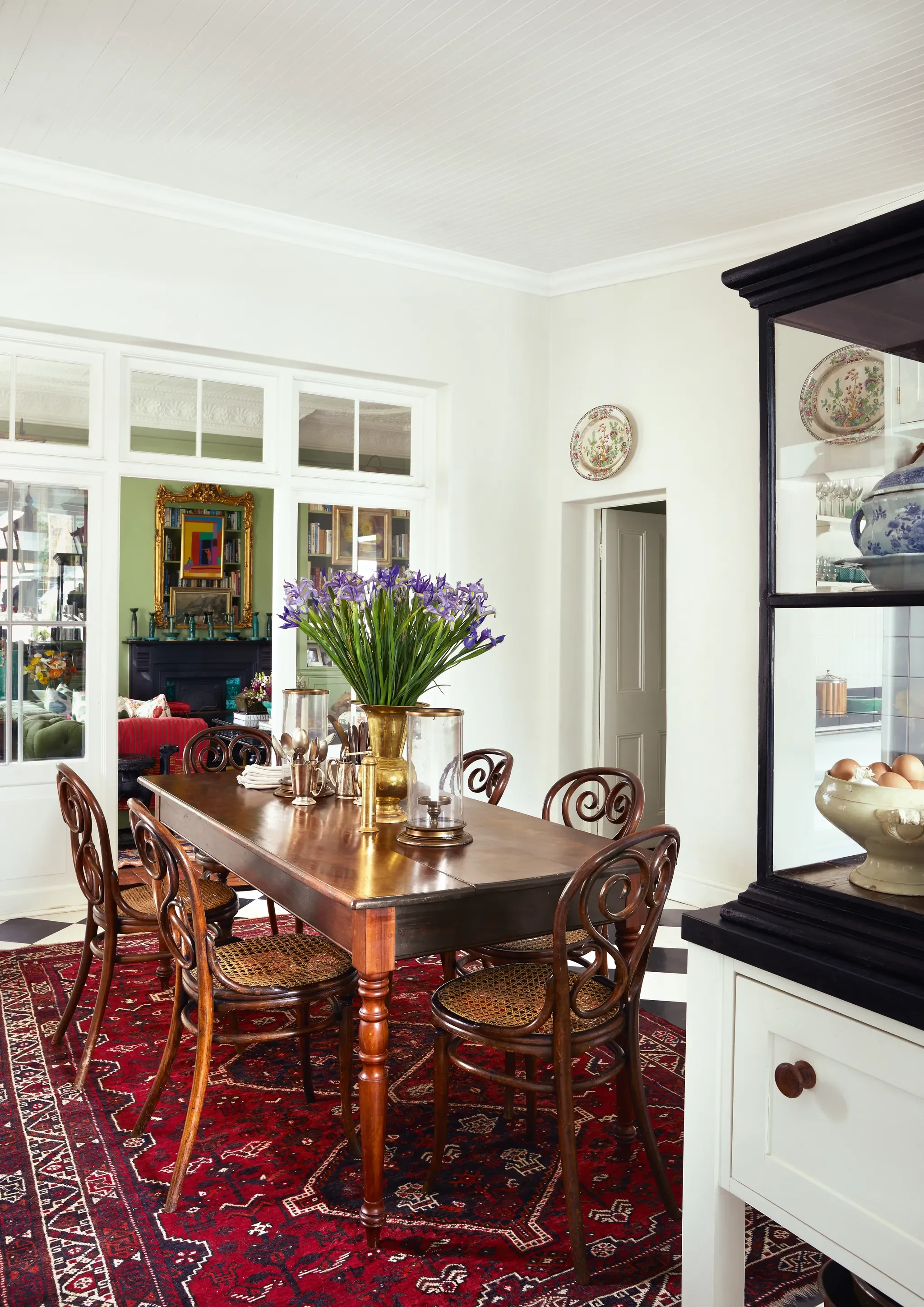
Beeswaxed or oiled solid hardwood furniture
A lacquered table resists wear. An oiled one responds to it. A ring from a glass, sanded lightly and re-oiled, disappears back into the grain. Corner knocks accumulate into a surface that becomes singular: this table, these years, this family. The finest craftsmen working in African hardwoods — iroko, mvuli, African rosewood — have always understood this. These are dense, slow-growing timbers with tight, complex grain that reward an oil finish, as it feeds the wood rather than sealing it away from the world. Antique dealers call it honest wear. Interior designers with a sure hand call it warmth. A room furnished entirely in new pieces is a room that has not yet decided who it is.
The slightly worn object is not the one you could not afford to replace. It is the one you chose not to. It has been used, maintained, returned to, kept in standard. It holds because it was made well, and because it was owned properly. Over time, it becomes more than its original form, carrying with it a record of where it has been and how it has been lived with. That distinction is rarely announced. It does not need to be. It is recognised, quietly, by those who understand that real value is not preserved by avoiding use, but by sustaining it.